Stories from the Quran
The stories Allah tells in the Quran.
The People of the Cave
The Seven Sleepers, also known in Christianity as the Seven Sleepers of Ephesus, and in Islam as Aṣḥāb al-Kahf, is a late antique Christian legend, and a Qur'anic Islamic story. Inside: Origins and propagation · Dissemination in the West: story and relics · Islamic story · Islamic view.
Dhul-Qarnayn
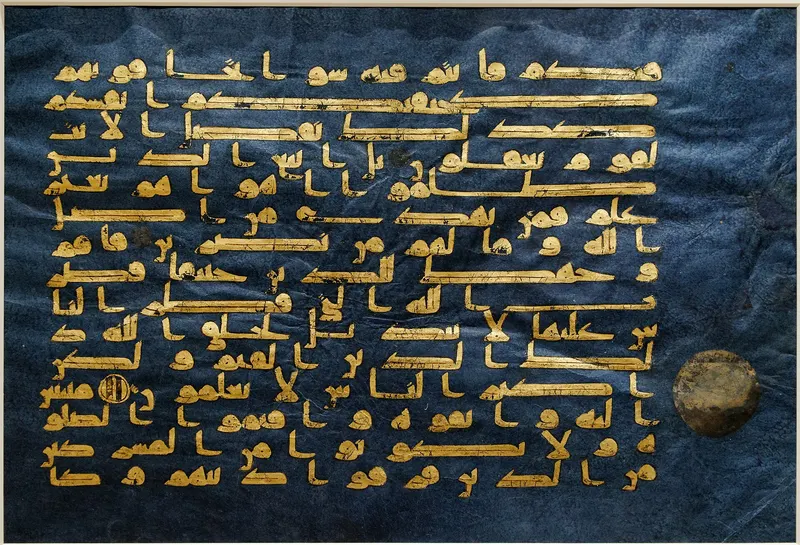
Dhu'l-Qarnayn is a leader who appears in the Quran, Surah al-Kahf (18), Ayahs 83–101, as one who travels to the east and west and sets up a barrier between a certain people and Gog and Magog (يَأْجُوجُ وَمَأْجُوجُ, Yaʾjūj wa-Maʾjūj). Inside: Quran 18:83–101 · Occasion of revelation · Qarnayn · Gog and Magog.
Musa and al-Khidr
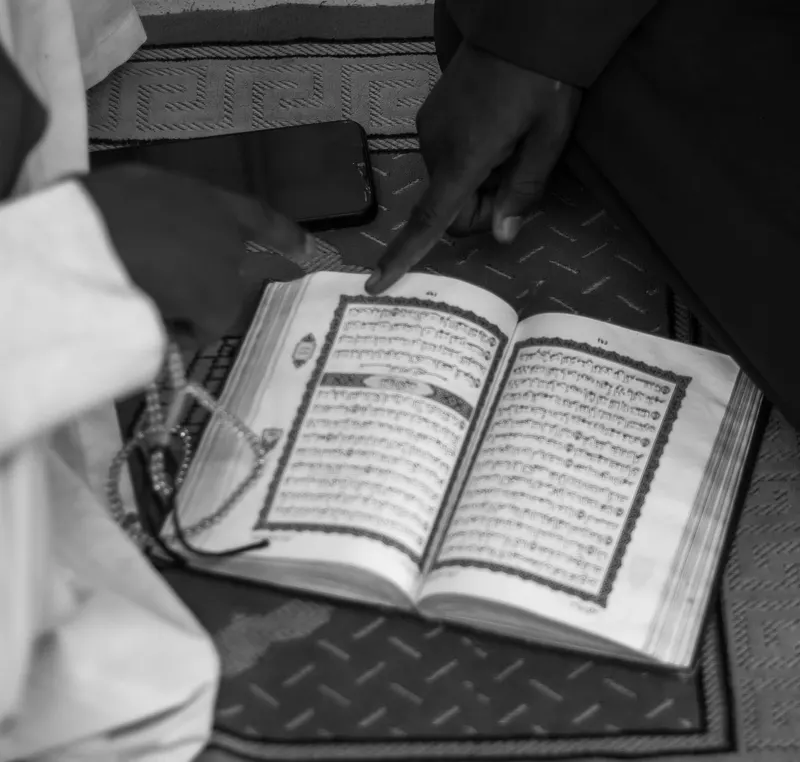
Khidr is a Qur'anic figure of Islam. He is described in Surah al-Kahf as a righteous servant of God possessing great wisdom or mystic knowledge. Inside: Etymology · Quranic narrative · Reports in the Hadith.
The People of the Ditch
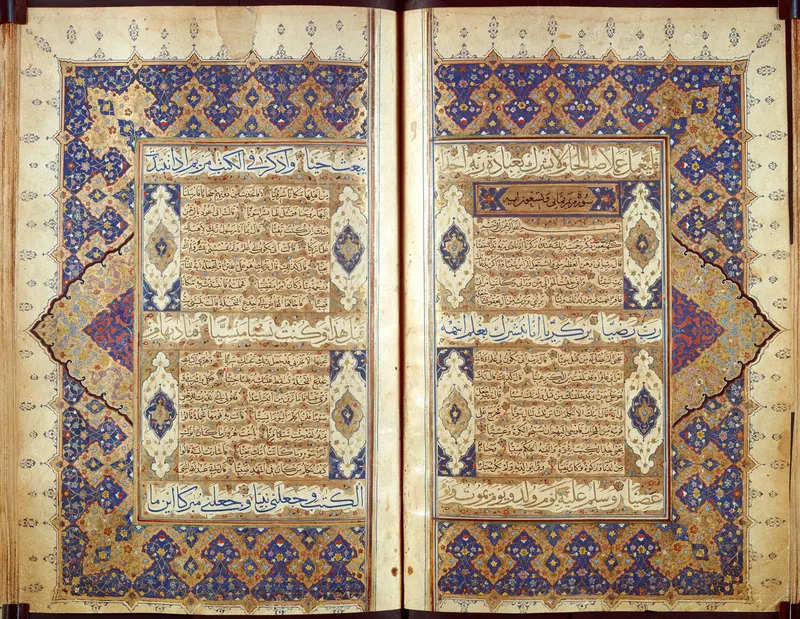
People of the Ditch is a story mentioned in Surah 85 (Al-Burooj) of the Qur'an. It is about people who were thrown into a ditch and set afire, due to their belief in Allah. Inside: Story in Suratul-Buruj · Meaning of 'Ukhdud'.
The Year of the Elephant
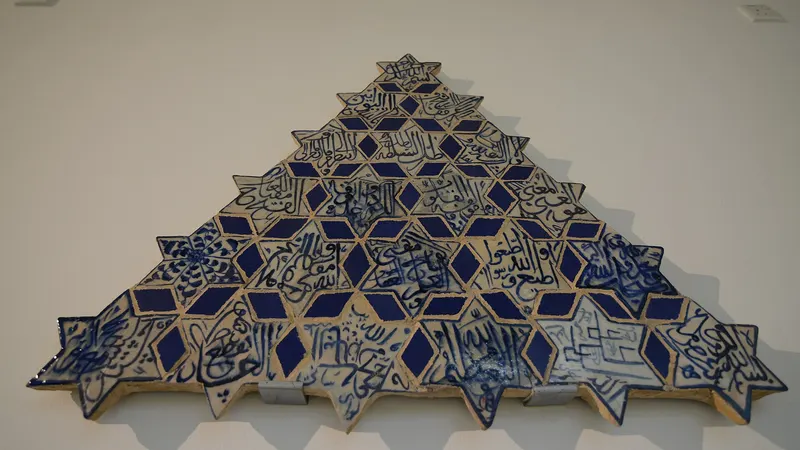
The ʿām al-fīl is the name in Islamic history for the year approximately equating to 570–571 CE. According to Islamic literary sources, it was in this year that the Islamic prophet Muhammad was born. Inside: Events · Unorthodox views.
Bilqis, the Queen of Sheba
The Queen of Sheba, named Bilqis in Arabic and Makeda in Geʽez, is a figure first mentioned in the Hebrew Bible. In the original story, she brings a caravan of valuable gifts for Solomon, the fourth King of Israel and Judah. Inside: Hebrew · Arabic · Islam.
Talut and Jalut
Talut is a divinely appointed king mentioned in the Quran traditionally identified with the Israelite king Saul, as he is stated to be the Malik (مَلِك, 'king') of Israelites. Inside: Name · Narrative in the Quran · Hadith.
Harut and Marut
Harut and Marut are a pair of angels mentioned in the Quran Surah 2:102, who teach the arts of sorcery (siḥr) in Babylon. Inside: Readings · Exegesis · Tale of Harut and Marut · Protest of the angels.
Habil and Qabil
Qābīl and Hābīl are two of the first sons of Adam and Hawaʾ (Eve) mentioned in the Quran. Inside: In the Qur'an · Message.
Iram of the Pillars
Iram of the Pillars, also called "Irum", "Irem", "Erum", or the "City of the pillars", is a lost city mentioned in the Quran. Inside: Iram in the Quran · Iram in Arabian Nights.
Thamud and the she-camel
The Thamud were an ancient tribe or tribal confederation in pre-Islamic Arabia that occupied the northwestern Arabian Peninsula. Inside: Thamudic script.
The people of 'Ad
ʿĀd was an ancient tribe in pre-Islamic Arabia. The banū ʿĀd (people of ʿĀd) are best known for being mentioned two dozen times in the Quran, often in conjunction with Thamud. Inside: Etymology · History and location · In Islam.